~90%
Less water.
Recirculating, closed-loop irrigation vs. open-field cultivation of the same crop.
Three systems working together — hydroponic cultivation, sensor-driven environment control, and a solar & rainwater sustainability layer.
Inside the Arrow Fresh greenhouse, every variable that affects a crop — light, temperature, humidity, root-zone pH, nutrient electrical conductivity — is sampled every six minutes and adjusted automatically. We're not farming with the weather. We're farming past it.
The result is produce that doesn't know what season it is. Basil in July looks like basil in January. Lettuce harvest weight varies by less than 8% across an entire production year. For a buyer planning a menu twelve weeks out, that consistency is the whole product.
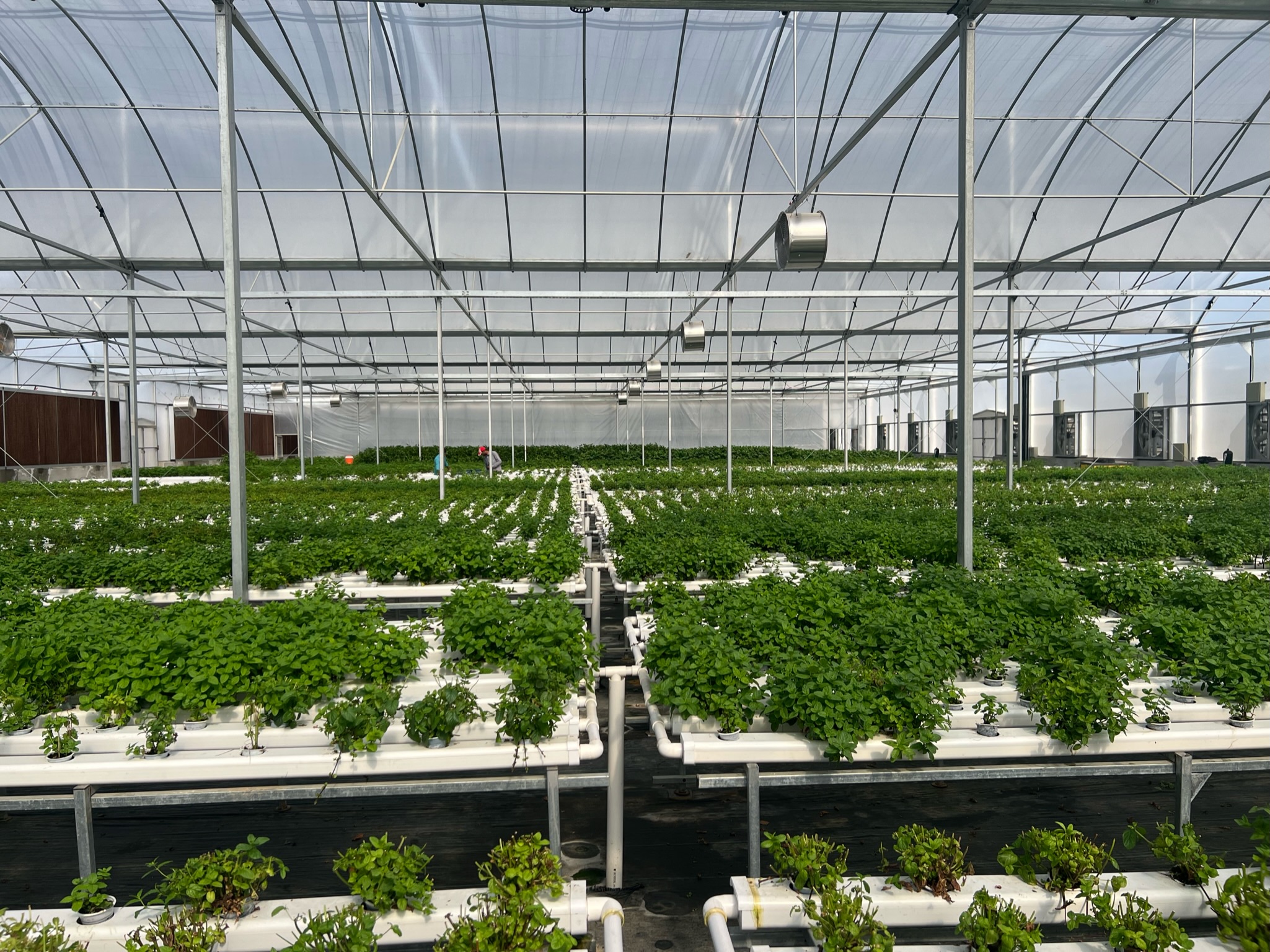
We grow in coconut-coir media — a renewable byproduct of the coconut industry — fed by a recirculating nutrient solution that delivers exactly the macros and micros each crop needs at each growth stage.
The roots see clean water, balanced electrical conductivity, and a stable pH between 5.8 and 6.2. Soil-based farming — the dominant practice in Pakistan — can't credibly promise any of those.
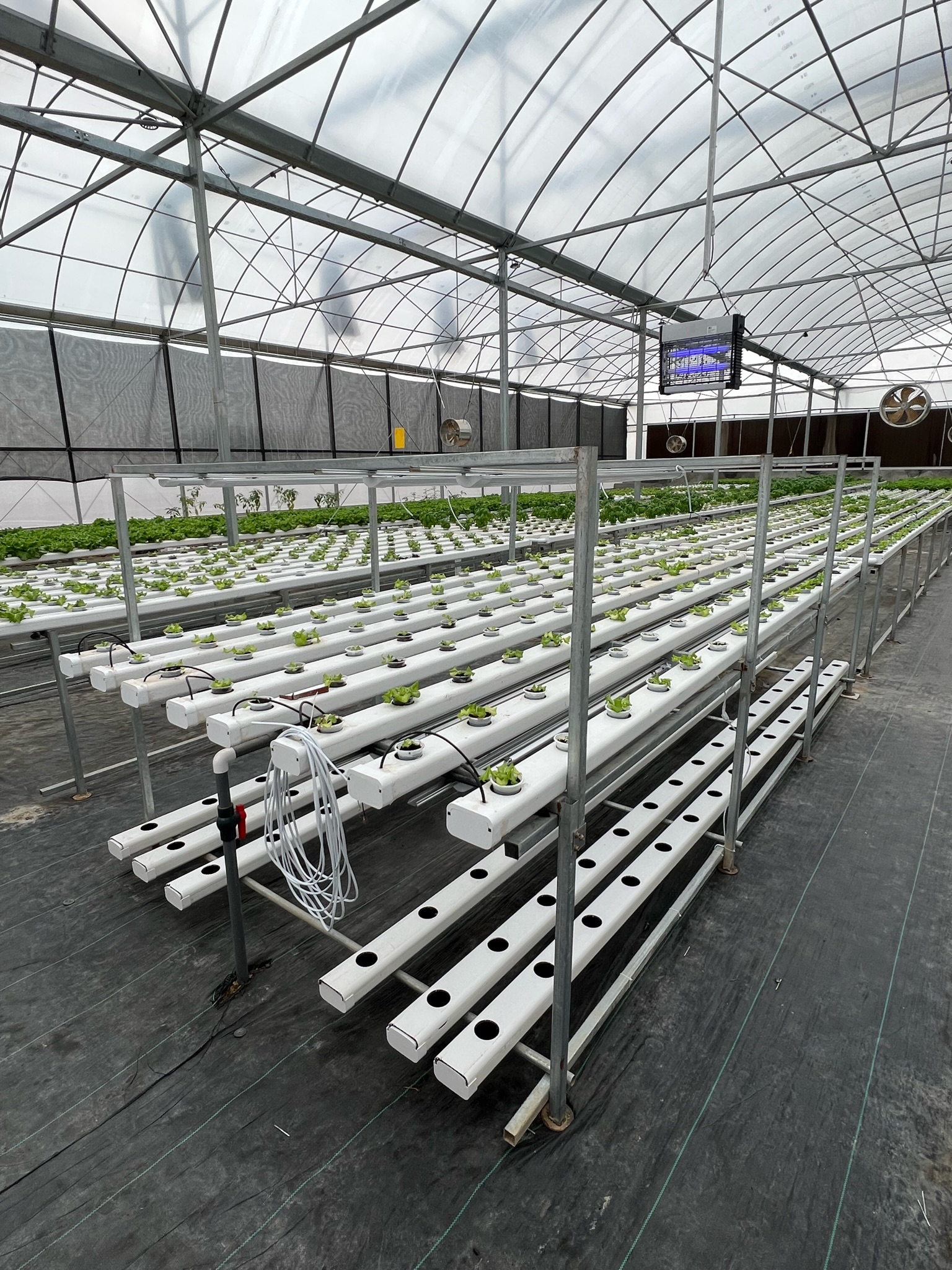
Sensor networks monitor temperature, humidity, CO₂, light intensity and root-zone conditions every six minutes across the production floor.
A central control loop adjusts shade screens, ventilation fans, irrigation cycles and supplemental LEDs in real time. The greenhouse responds before a human would notice anything is wrong.
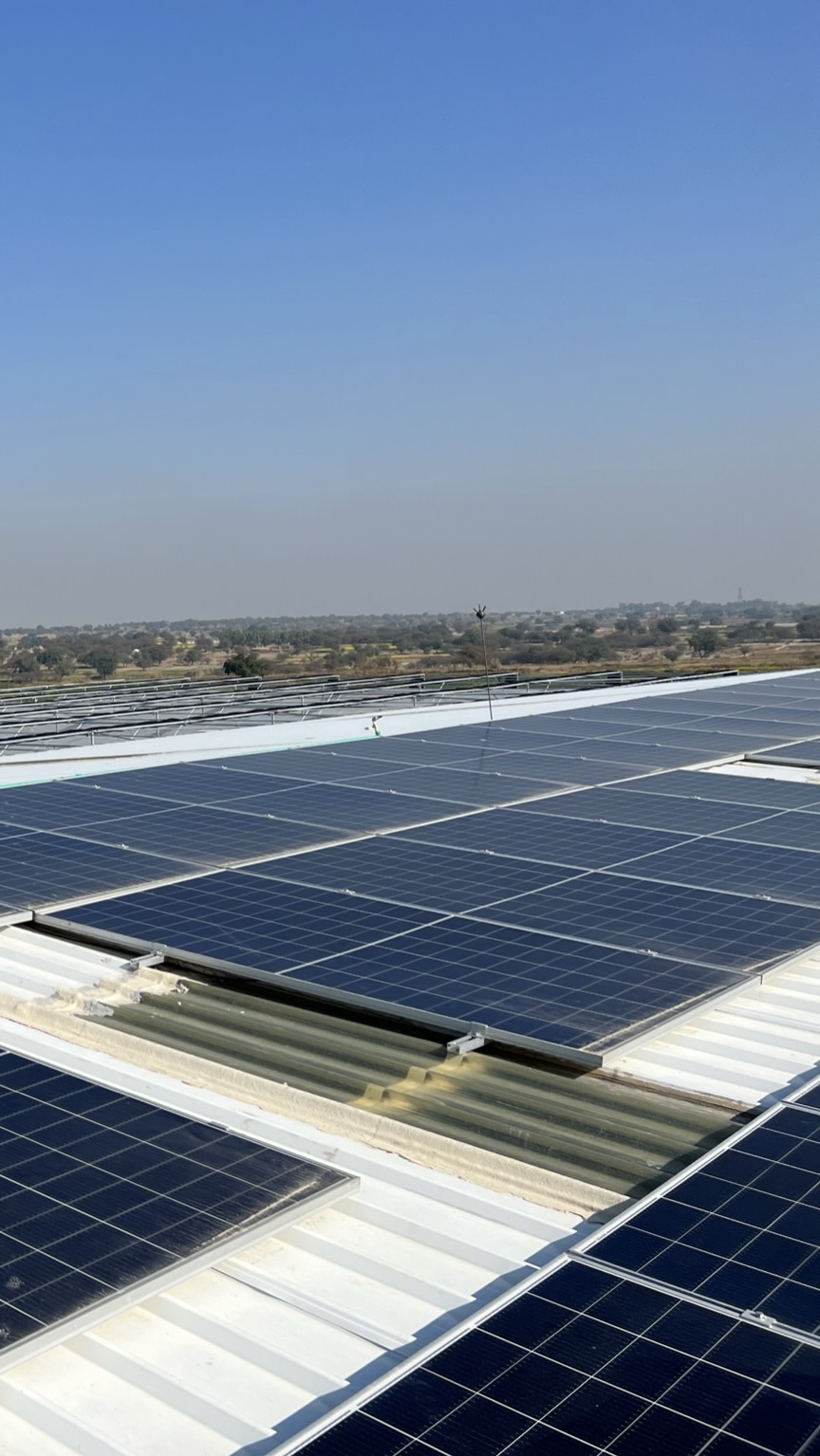
Rooftop photovoltaics generate the operational electricity, March through November. Harvested monsoon water — filtered, balanced, and stored in lined reservoirs — runs the irrigation system year-round.
The result is a greenhouse that is grid-independent for nine months of the year and draws roughly a tenth of the water of equivalent open-field cultivation.
Conservative figures, applicable to our greenhouse specifically — not the marketing brochure version of the technology. Audited annually.
Recirculating, closed-loop irrigation vs. open-field cultivation of the same crop.
Median reduction across leafy greens; controlled-environment compounding.
Operational electricity from rooftop photovoltaics, March through November.
Side-by-side, our practice vs. the open-field cultivation that most Pakistani produce still comes from. Conservative numbers; audited annually.
The methodology above is engineered to make supply boring. If you'd like a supplier that doesn't surprise your procurement team, talk to us.